
Here's the truth nobody wants to admit: traditional sales methods aren't dead, but they've completely transformed. The door-to-door, hard-sell tactics your grandfather used? Those are buried six feet under. But the core of what made great salespeople successful: building relationships, understanding problems, and creating trust: that's more valuable than ever.
The real question isn't whether traditional sales is dead. It's whether you're stuck using outdated tactics or evolving with your customers.
The Death of Aggressive Sales Tactics
Let's be clear about what actually died in the sales world. The pushy, manipulative tactics that dominated the 80s and 90s are gone forever. You know what I'm talking about:
- Cold calls with scripted pitches
- High-pressure closing techniques
- Feature-dumping without understanding needs
- "Always be closing" mentality
- One-size-fits-all sales presentations
These approaches stopped working because buyers got smarter. Today's customers can spot a sales script from a mile away. They've been bombarded with so many generic pitches that they've developed an immune system against traditional sales tactics.
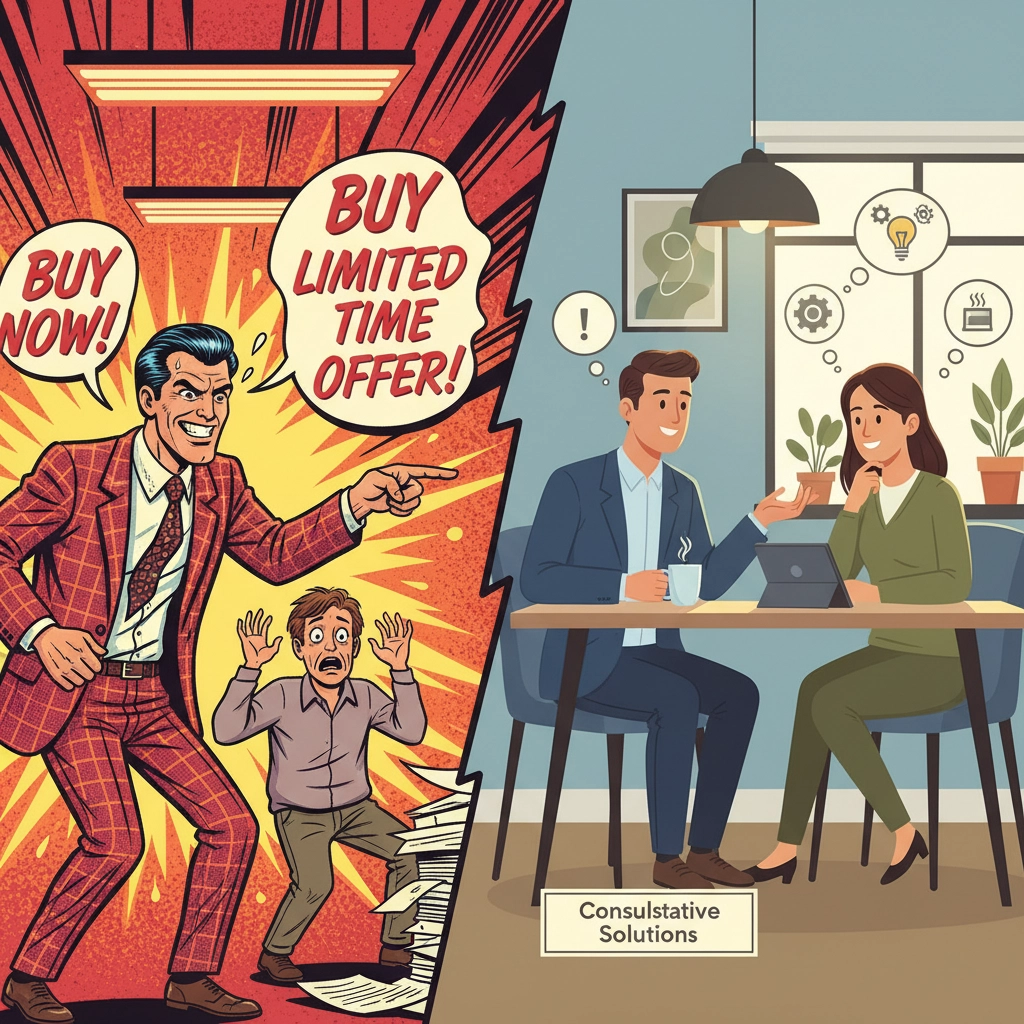
Modern buyers do their homework before they ever talk to a salesperson. They read reviews, compare options, and come to conversations already 70% through their buying journey. When a salesperson immediately jumps into a pitch about features and benefits, it feels disconnected and irrelevant.
How Buyer Behavior Changed Everything
The internet didn't just change how we shop: it completely rewired buyer expectations. Your prospects today are:
Information-rich: They've already researched your product, your competitors, and probably know your pricing before they contact you.
Time-poor: They don't want to sit through hour-long presentations about features they already understand.
Trust-skeptical: They've been burned by overhyped products and pushy salespeople before.
Relationship-focused: They want to work with people who understand their business and genuinely care about their success.
This shift means that traditional "spray and pray" approaches: sending the same email template to hundreds of prospects: actually hurt your chances. Buyers can smell inauthenticity immediately, and they'll disengage faster than you can say "value proposition."
Why Human Salespeople Are More Important Than Ever
Here's where it gets interesting. Despite all the talk about AI and automation replacing salespeople, humans are becoming more valuable, not less. But they're valuable for different reasons than they were 20 years ago.
The Irreplaceable Human Skills
Complex Problem Solving: When a prospect has a unique situation or complex needs, they need someone who can think creatively and adapt solutions in real-time. AI can suggest options, but humans can innovate.
Emotional Intelligence: Reading between the lines, understanding unstated concerns, and building genuine rapport: these are uniquely human abilities that no algorithm can replicate.
Trust Building: People still buy from people they trust. That trust gets built through authentic conversations, shared experiences, and demonstrated expertise over time.
Relationship Management: Long-term client relationships require ongoing communication, problem-solving, and strategic thinking that goes far beyond any single transaction.

Where Humans Excel Over Automation
While chatbots and automated systems handle basic questions well, they fall apart when deals get complex. Think about high-value B2B sales, custom solutions, or situations requiring negotiation. These scenarios need human judgment, creativity, and relationship-building skills.
A software company might use automation to qualify leads and schedule demos, but when it comes to understanding a client's unique integration challenges or negotiating a multi-year contract, they need skilled humans who can adapt and problem-solve in real-time.
The Winning Formula: Hybrid Sales Approach
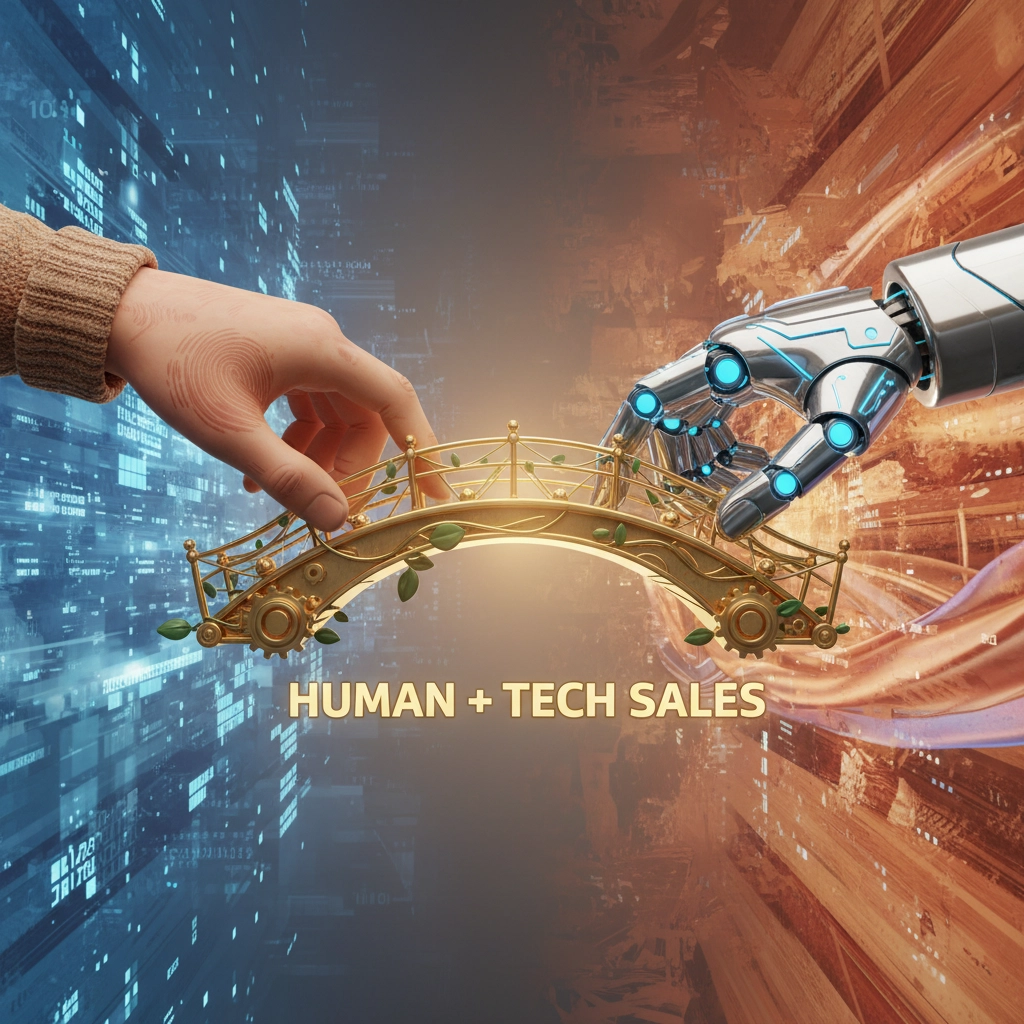
The most successful sales teams today aren't choosing between traditional and modern methods: they're combining the best of both worlds.
Modern Tools + Traditional Skills
Smart sales organizations use technology to enhance human capabilities, not replace them:
CRM systems track customer interactions and preferences, helping salespeople personalize their approach.
Social selling tools help identify warm prospects and conversation starters, but humans still have the actual conversations.
Email automation handles follow-up sequences, but humans write the initial outreach and handle replies.
Data analytics identify trends and opportunities, but humans interpret what those insights mean for specific customers.
The New Sales Process
Here's what effective selling looks like today:
-
Research-driven outreach: Use technology to understand prospects before reaching out, then craft personalized messages that reference their specific situation.
-
Value-first conversations: Lead with insights and helpful information, not product pitches. Show you understand their world before talking about your solution.
-
Collaborative discovery: Ask questions to uncover needs rather than assuming what they want. Listen more than you talk.
-
Customized solutions: Adapt your offering to their specific requirements rather than pushing a standard package.
-
Consultative approach: Position yourself as an advisor who helps them make the best decision, even if that means recommending a competitor sometimes.
What This Means for Salespeople Today
If you're in sales, this evolution creates both challenges and opportunities. The salespeople who thrive in today's market are those who:
Embrace technology without losing their human touch. They use tools to be more efficient and informed, but they rely on relationship-building skills to close deals.
Focus on specialization: Instead of being generalists who can sell anything to anyone, successful salespeople develop deep expertise in specific industries or types of solutions.
Become consultants: They position themselves as trusted advisors who help customers solve problems, not just vendors trying to sell products.
Invest in continuous learning: They stay current with industry trends, new technologies, and evolving customer expectations.

The Future Is About Balance
Looking ahead, the sales landscape will continue evolving, but the fundamental need for human connection in business relationships isn't going anywhere. AI and automation will handle more transactional sales, but complex deals will always require human intelligence, empathy, and creativity.
The salespeople who succeed will be those who can seamlessly blend high-tech tools with high-touch relationships. They'll use data to inform their approach but rely on intuition and emotional intelligence to build trust and close deals.
Traditional sales methods aren't dead: they've just grown up. The future belongs to salespeople who can honor the relationship-building foundation of traditional selling while leveraging modern tools to be more effective and efficient.
Moving Forward
So, do people still need human salespeople? Absolutely. But they need evolved salespeople who understand that selling is about serving, not convincing. They need professionals who use technology to enhance their human capabilities, not replace them.
The question isn't whether traditional sales is dead. The question is whether you're ready to evolve with your customers and become the kind of salesperson they actually want to work with.
The businesses and salespeople who embrace this hybrid approach: combining the best of traditional relationship-building with modern efficiency and personalization: will dominate their markets. Those who cling to outdated tactics or assume technology can replace human connection will get left behind.
The choice is yours. Are you ready to evolve, or are you going to become part of sales history?